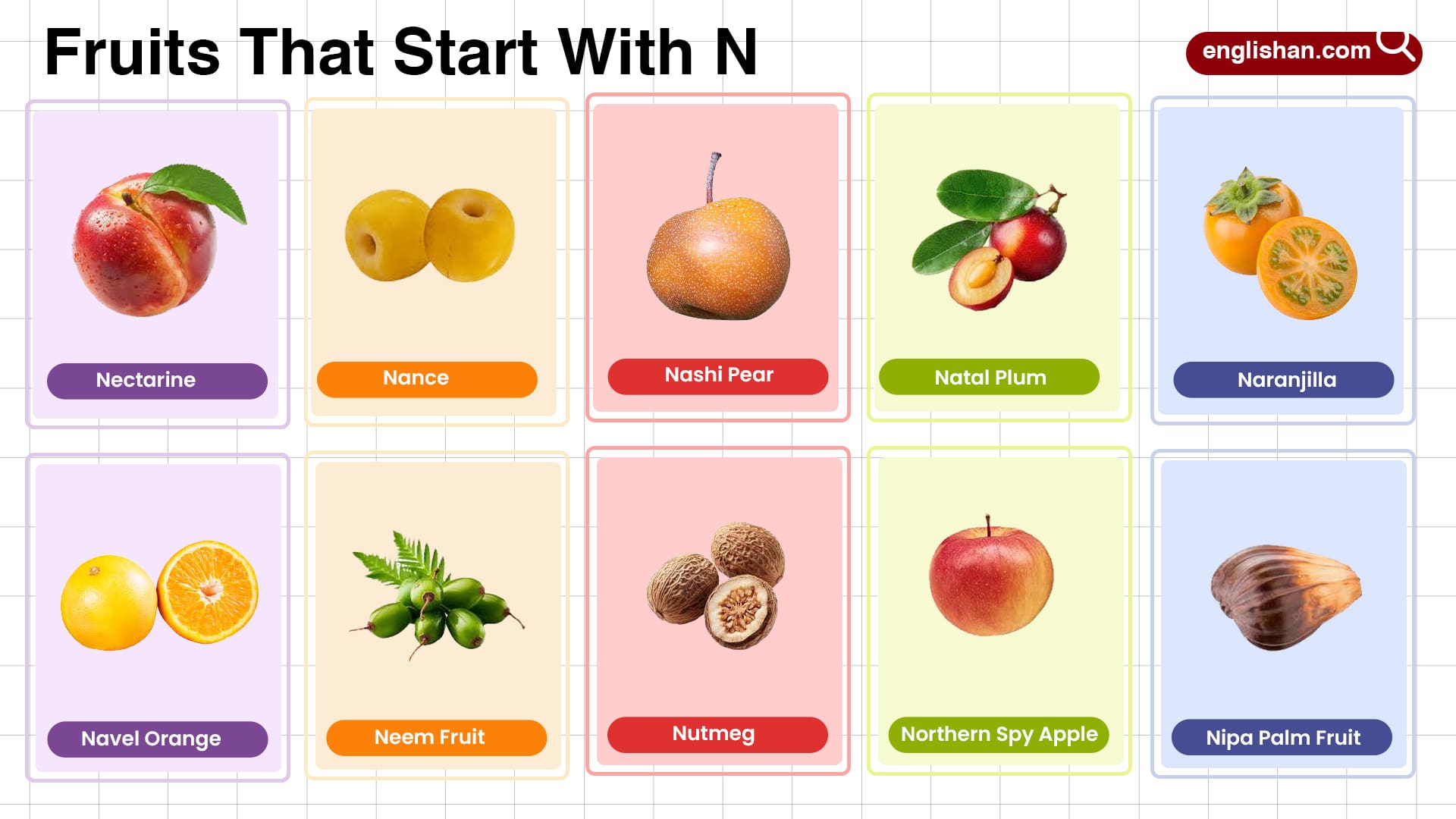
Delving Deeper into Distinctive N-Fruits: An Extended Exploration
Welcome back to our continuing exploration of the fascinating world of fruits that start with n! In our previous articles, fruits that start with n - Article 1 and fruits that start with n - Article 2, we journeyed through some popular and intriguing varieties, from the sweet succulence of nectarines to the crisp delight of Nashi pears. Now, in this third installment, we're diving even deeper, unearthing more unique finds, exploring their incredible nutritional profiles, and uncovering exciting ways to incorporate them into your diet. From tangy tropical delights to subtle sweet gems, the 'N' category offers an astonishing array of flavors and health benefits waiting to be discovered.
Unearthing Unique N-Fruits for Your Palate
Beyond the well-known staples, the world of fruits that start with n holds a treasure trove of less common, yet equally delicious and beneficial, options. Expanding your fruit horizons can introduce you to new culinary experiences and boost your nutrient intake.
- Naranjilla (Lulo): Often translated as "little orange," the Naranjilla is a vibrant tropical fruit native to the Andean regions of South America. Its tough, hairy orange or green skin protects a truly spectacular, emerald-green or yellow pulp filled with small, edible seeds. The flavor is a complex and captivating blend of citrus, pineapple, and sometimes even rhubarb, offering a refreshing tartness with a subtle sweetness. Naranjilla is most famously used in juices and smoothies (often prepared with milk or water and sugar), but its unique taste also lends itself to ice creams, jams, and even savory sauces for meats. It's a true tropical delight for adventurous palates.
- Noni Fruit (Morinda citrifolia): Hailing from Southeast Asia, Australasia, and the Pacific Islands, the Noni fruit is a bumpy, potato-shaped fruit with a somewhat translucent, yellowish-white skin when ripe. While its pungent aroma, often likened to strong cheese, and somewhat bitter taste might be an acquired preference for many, Noni has been revered for centuries in traditional Polynesian medicine for its purported health benefits. It's typically consumed as a juice, often blended with other sweeter fruits to mask its distinct flavor. Rich in antioxidants and various phytochemicals, Noni is a subject of ongoing scientific research for its potential anti-inflammatory and immune-boosting properties.
- Natal Plum (Carissa macrocarpa): This charming fruit originates from coastal regions of South Africa and is produced by an attractive, thorny evergreen shrub. The Natal Plum is a small, oval-shaped fruit, about the size of a cherry tomato, with a deep red color when ripe. Its flesh is juicy and sweet, reminiscent of a cranberry or strawberry, with a unique tangy undertone. While it's delightful eaten fresh (be sure to remove any small seeds, though they are often soft and edible), Natal Plums truly shine in culinary applications like jams, jellies, pies, and chutneys. It’s an excellent choice for those seeking a subtly sweet and tart berry-like experience.
- Nagami Kumquat: A specific variety of kumquat, the Nagami is an oblong, small citrus fruit typically eaten whole, including the peel. What makes the Nagami Kumquat stand out is its unique flavor profile: the rind is surprisingly sweet and aromatic, while the pulp is intensely tart. This combination creates a delightful burst of sweet-sour that is both refreshing and invigorating. They are excellent when eaten fresh, sliced into salads, added to cocktails, or used to make marmalades and candied fruit.
The Nutritional Bounty of N-Fruits
Beyond their diverse flavors, the fruits that start with n are brimming with essential nutrients that contribute significantly to a healthy diet. Incorporating a variety of these fruits is an excellent way to boost your overall well-being.
- Vitamin C Powerhouses: Fruits like Navel Oranges and nectarines are renowned for their high Vitamin C content, a potent antioxidant vital for immune function, skin health, and collagen production. The Naranjilla also contributes a significant amount of this essential vitamin, helping to protect cells from damage and support overall vitality.
- Fiber Richness: Many 'N' fruits, including Nashi Pears, nectarines, and Natal Plums, are excellent sources of dietary fiber. Fiber is crucial for digestive health, promoting regularity and preventing constipation. It also plays a role in managing blood sugar levels, reducing cholesterol, and contributing to a feeling of fullness, which can aid in weight management.
- Antioxidants Galore: Beyond Vitamin C, these fruits are packed with various other antioxidants, such as flavonoids and carotenoids. Noni fruit, in particular, despite its challenging taste, is noted for its high concentration of phytochemicals and antioxidants. These compounds help combat oxidative stress, reduce inflammation, and may lower the risk of chronic diseases. Natal Plums, with their deep red hue, also indicate the presence of beneficial anthocyanins.
- Essential Minerals and Vitamins: N-fruits provide a spectrum of other important nutrients. Nectarines offer Vitamin A and potassium, vital for vision and blood pressure regulation. Navel Oranges contribute folate, crucial for cell division and growth. Nashi Pears contain Vitamin K, important for blood clotting and bone health. Together, these fruits offer a comprehensive nutrient package that supports numerous bodily functions.
Savory and Sweet Creations: Culinary Uses for N-Fruits
The versatility of fruits that start with n extends far beyond simple snacking. Their unique flavor profiles make them excellent ingredients in both sweet and savory dishes, inviting culinary creativity.
- Nectarines: While delightful fresh, nectarines truly shine when grilled or baked, caramelizing their sugars and enhancing their sweetness. Try them grilled with a balsamic glaze and served with pork or chicken, or tossed into a summer salad with feta cheese and mint. For desserts, nectarine tarts, crumbles, and cobblers are always a hit.
- Navel Oranges: Beyond fresh eating and juice, the zest of Navel Oranges can elevate salad dressings, marinades, and baked goods. Their segments are beautiful in fruit salads, and their juice makes an excellent base for glazes on poultry or fish, adding a bright, acidic counterpoint. Don't forget their classic use in marmalades!
- Nashi Pears: With their crisp texture and subtle sweetness, Nashi pears are a refreshing addition to salads, particularly those featuring strong cheeses like goat cheese or blue cheese. They also pair wonderfully with savory ingredients like prosciutto or nuts. For a simple dessert, serve sliced Nashi pears with a drizzle of honey and a sprinkle of cinnamon.
- Naranjilla: This exotic fruit is a star in beverages. Its vibrant pulp is commonly blended into "lulo" juice (often sweetened and sometimes mixed with milk) in its native regions. It can also be used to make refreshing sorbets, vibrant sauces for white fish or chicken, and unique marmalades.
- Natal Plums: Their tart-sweet flavor makes Natal Plums ideal for jams, jellies, and chutneys. They can also be incorporated into pies and tarts, or simply stewed with a touch of sugar for a warm, comforting dessert. Their firm texture holds up well to cooking.
- Nagami Kumquats: These tiny citrus gems are perfect for candying, creating a sweet and tangy treat. They can be thinly sliced and added to green salads, fruit salads, or even used as a garnish for cocktails. Their unique rind-and-pulp flavor profile also makes for exceptionally delicious marmalades.
Selecting, Storing, and Enjoying Your N-Fruit Harvest
To fully appreciate the diverse range of fruits that start with n, knowing how to select ripe specimens and store them properly is key. Here are some practical tips:
- Selecting Ripe Fruits:
- Nectarines: Look for smooth, unblemished skin and a fragrant aroma. They should have a slight give when gently squeezed.
- Navel Oranges: Choose fruits that feel firm and heavy for their size, with brightly colored skin.
- Nashi Pears: They should be firm and free of bruises. Unlike European pears, Nashi pears don't soften significantly when ripe; their appeal is their crispness.
- Naranjilla: Select fruits that are bright orange or yellow (depending on the variety) and firm, not mushy. Avoid those with significant soft spots.
- Noni: If you're brave enough to try fresh Noni, it should be whitish-yellow and soft to the touch, indicating ripeness. The pungent smell will also be very evident.
- Natal Plum: Look for deep red fruits that are slightly soft to the touch. Unripe green fruits are very tart and not recommended for fresh eating.
- Storage Tips:
- Most ripe N-fruits like nectarines, Navel Oranges, and Nashi Pears can be stored in the refrigerator to extend their freshness. Nashi pears, in particular, benefit from refrigeration to maintain their crisp texture.
- Unripe nectarines and Naranjillas can be left at room temperature to ripen, then moved to the fridge once they reach desired maturity.
- Noni fruit, due to its rapid fermentation and strong aroma, is best consumed or processed into juice shortly after ripening.
- Natal Plums can be stored in the refrigerator for a few days once ripe.
- Preparation Advice: Always wash all fruits thoroughly before consumption. While the skin of nectarines, Nashi Pears, and Nagami Kumquats can be eaten, some fruits like Naranjilla (if hairy) and Navel Oranges are typically peeled. Experiment with different preparation methods—juicing, grilling, baking—to discover your favorite ways to enjoy these unique fruits.
As we conclude our extensive journey through the world of fruits that start with n, it's clear that this category is brimming with diversity, flavor, and incredible health benefits. From the widely adored Nectarine and Navel Orange to the exotic Naranjilla and the health-packed Noni, each fruit offers a unique experience. We hope this series, including fruits that start with n - Article 1 and fruits that start with n - Article 2, has inspired you to expand your palate and embrace the nutritional richness these 'N' wonders provide. So go ahead, seek out these remarkable fruits, and let their distinctive tastes enrich your culinary adventures!
