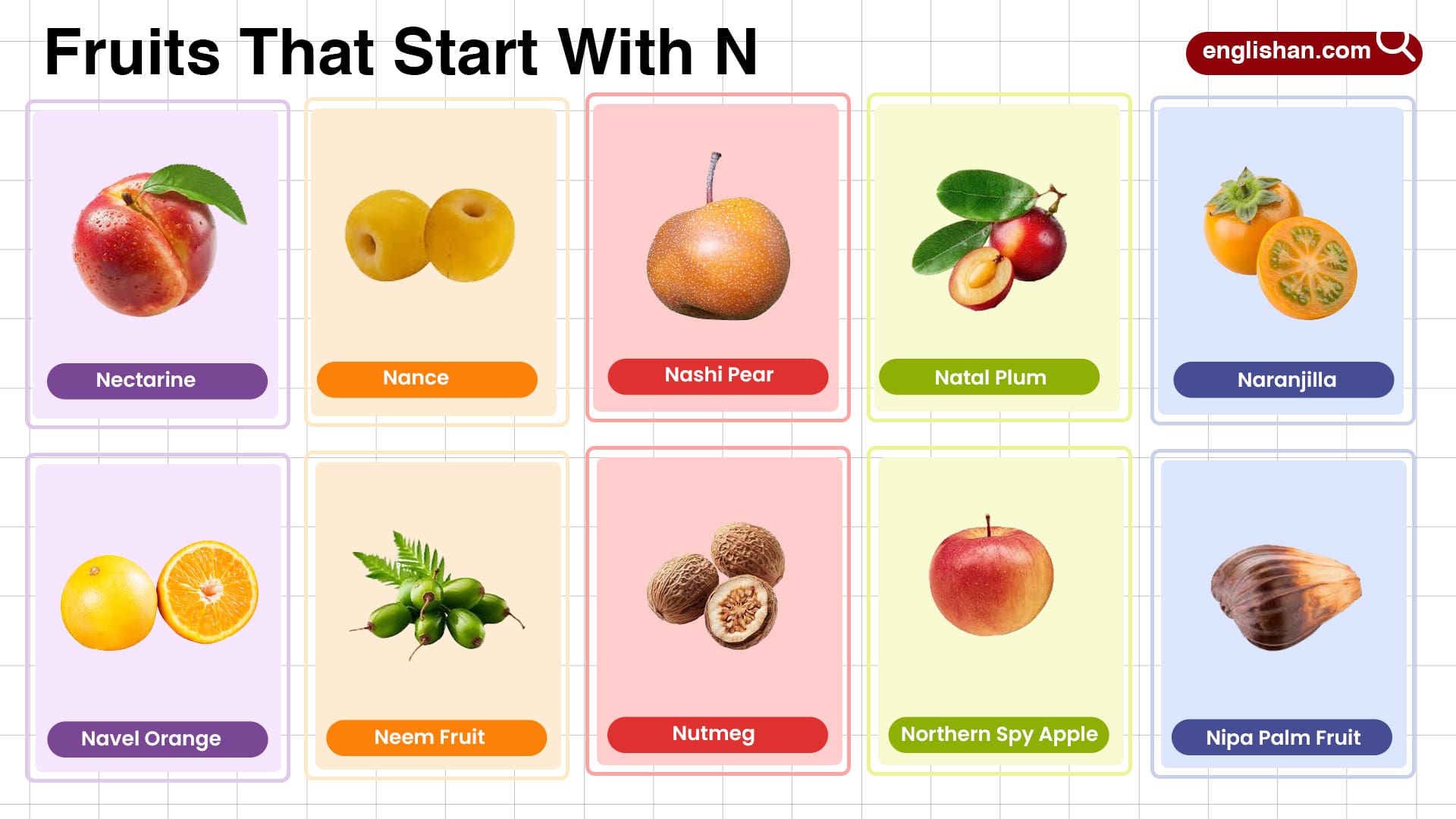
Discovering More Unique Fruits That Start With N: Article 2
In our ongoing exploration of the fascinating world of produce, we continue our journey to uncover the diverse and delicious fruits that start with n - Article 1. While the first installment introduced some well-known and slightly less common N-fruits, this article, part two of our series, delves deeper into even more exotic and intriguing varieties that begin with the letter 'N'. Prepare to expand your palate and knowledge as we explore their origins, unique flavors, nutritional profiles, and how they can enrich your culinary experiences. Get ready to meet some hidden gems that truly exemplify the global bounty of nature.
Navigating the Nutritional N-Fruit Niche
The array of fruits starting with 'N' offers not just a symphony of flavors, but also a powerhouse of nutrition. From ancient superfoods to modern delights, these fruits contribute significantly to a healthy diet, packing essential vitamins, minerals, and antioxidants. Understanding their unique nutritional compositions can help you make informed choices and add exciting new dimensions to your meals and snacks. While specific benefits vary from fruit to fruit, a common thread among many N-fruits is their high fiber content, which aids digestion, and their rich antioxidant properties, crucial for fighting oxidative stress and supporting overall well-being. This section will highlight general nutritional advantages before we dive into individual fruit specifics.
General Health Benefits of N-Fruits
- Rich in Antioxidants: Many N-fruits are loaded with compounds like vitamin C, flavonoids, and carotenoids, which protect cells from damage caused by free radicals.
- Digestive Health: High fiber content in most fruits, including those starting with 'N', promotes regular bowel movements and supports a healthy gut microbiome.
- Immune System Boost: Essential vitamins, particularly vitamin C, found in these fruits play a crucial role in strengthening the immune system, helping the body ward off infections.
- Hydration: With high water content, N-fruits contribute to daily hydration needs, which is vital for all bodily functions.
- Heart Health: Potassium, fiber, and other compounds found in various N-fruits can help regulate blood pressure and reduce the risk of cardiovascular diseases.
As we uncover more specific fruits that start with n - Article 3, you'll see how these broad benefits manifest in unique ways across different varieties.
Spotlight on N-Fruits: Unique & Exotic Varieties
Beyond the familiar, the world of fruits starting with 'N' holds many fascinating surprises. Here, we shed light on some less common but incredibly intriguing varieties, each with its own story, flavor profile, and set of uses.
1. Naranjilla (Solanum quitoense)
Often referred to as "little orange" (which is what its Spanish name means), the Naranjilla is a vibrant, fuzzy fruit native to the Andean regions of South America. Its striking appearance, with a tough, hairy orange-yellow skin, conceals a juicy, green, and highly aromatic pulp dotted with small seeds. The flavor of Naranjilla is truly distinctive and complex—a delightful blend of citrus, pineapple, and sometimes a hint of rhubarb or passionfruit. It's often described as tangy, refreshing, and slightly sweet.
- Culinary Uses: While sometimes eaten raw (though often too tart for many), Naranjilla is most commonly used to make popular juices, smoothies (known as lulo in Colombia), sorbets, and jams. Its unique flavor makes it a fantastic base for cocktails and desserts, adding a tropical zing that's hard to replicate.
- Nutritional Value: Naranjilla is a good source of vitamins A and C, calcium, phosphorus, and dietary fiber. It also contains powerful antioxidants, contributing to overall health and immune function.
- Interesting Fact: Despite its citrus-like flavor, the Naranjilla is actually a member of the nightshade family, related to tomatoes and eggplants!
2. Nungu (Ice Apple / Palm Fruit - Borassus flabellifer)
Nungu, also widely known as Ice Apple or Palm Fruit, is a tender, jelly-like fruit found within the fruits of the Palmyra palm tree, particularly prevalent in South and Southeast Asia. The fruit clusters are harvested, and inside each segment of the hard, fibrous outer shell, you'll find a translucent, watery, and slightly sweet pulp. Its appearance resembles a peeled litchi or a large, soft jelly marble. The texture is soft and delicate, almost melt-in-your-mouth.
- Culinary Uses: Nungu is highly prized for its cooling properties, especially during hot summer months. It's commonly eaten fresh, often chilled, or used in refreshing drinks, desserts, and even some savory dishes. The sap collected from the palm, known as toddy, can also be fermented into palm wine or concentrated into jaggery (palm sugar).
- Nutritional Value: Rich in water, Nungu is excellent for hydration. It also provides a good amount of vitamins (especially B complex vitamins) and minerals like potassium, iron, and calcium. Its natural sugars provide an energy boost, and it's known for its ability to balance body heat.
- Interesting Fact: The Palmyra palm is often called the "tree of life" because almost every part of it, from its leaves to its sap and fruit, has various uses for food, construction, and crafts.
3. Natal Plum (Carissa macrocarpa)
The Natal Plum is a beautiful, glossy red fruit native to coastal regions of Southern Africa. Growing on a thorny, ornamental shrub, the fruit is oval-shaped, about the size of a small plum, and has a distinctive tart-sweet flavor. Its flesh is often described as resembling a cranberry or strawberry, with a milky sap that can be a bit sticky. It's important to note that only the ripe fruit is edible; other parts of the plant are considered toxic.
- Culinary Uses: Natal Plums are versatile. They can be eaten fresh, though their tartness often makes them more suitable for culinary preparations. They excel in jams, jellies, pies, sauces, and tarts, where their vibrant flavor truly shines. They can also be juiced or used to make refreshing beverages.
- Nutritional Value: These small fruits are an excellent source of vitamin C, and they also contain dietary fiber, magnesium, and phosphorus. Their antioxidant content contributes to immune support and cellular health.
- Interesting Fact: The Natal Plum shrub is often used in landscaping as an attractive, drought-tolerant hedge, offering both beauty and edible fruit.
4. Nipa Palm Fruit (Nypa fruticans)
Found primarily in mangrove habitats across Southeast Asia and Oceania, the Nipa palm produces large, buoyant clusters of fibrous, brown fruits. Each fruit segment contains a single seed, which, when young and tender, yields a translucent, jelly-like endosperm. This gelatinous flesh is the edible part, offering a delicate, subtly sweet, and somewhat bland taste, often reminiscent of coconut water or tender young coconut flesh.
- Culinary Uses: The Nipa palm fruit jelly is usually enjoyed fresh, often chilled, as a refreshing snack or dessert ingredient. It's commonly found in tropical fruit salads, sweet drinks, and halo-halo (a popular Filipino dessert). The sap of the Nipa palm is also highly valued, traditionally tapped to produce alcoholic beverages like palm wine (tuba) or distilled into a spirit called arrack, and can also be boiled down into vinegar or sugar.
- Nutritional Value: While not a powerhouse of vitamins in the same way some other fruits are, the Nipa palm fruit provides hydration and some essential minerals. Its primary value is its unique texture and refreshing qualities.
- Interesting Fact: The Nipa palm is the only palm species adapted to grow in mangrove swamps, tolerating brackish water and tidal inundation. Its leaves are also widely used for thatch roofing and weaving.
Culinary Adventures with N-Fruits: Tips for Enjoyment
Incorporating these unique fruits that start with n - Article 3 into your diet can be a rewarding experience. Here are some practical tips to help you make the most of their distinct flavors and textures:
- Fresh is Best (When Possible): For fruits like Nungu and Nipa Palm Fruit, their delicate texture and refreshing quality are best appreciated when eaten fresh and chilled.
- Smoothies and Juices: Naranjilla, with its intense flavor, is a natural for beverages. Blend it with other tropical fruits, a touch of honey, or plain yogurt for a nutritious and delicious drink.
- Jams and Preserves: The tartness of Natal Plums makes them ideal for jams, jellies, and preserves. Their vibrant color also adds to their appeal. Consider making a mixed fruit jam with other berries for added complexity.
- Dessert Enhancers: The unique flavors of Naranjilla can elevate sorbets, ice creams, and mousses. Nungu and Nipa Palm Fruit jellies are perfect additions to fruit salads or sweet soups.
- Experiment with Savory: While most N-fruits lean towards sweet or tart, don't shy away from experimenting. A tangy Naranjilla sauce could potentially complement certain poultry or fish dishes, similar to how cranberries are used.
- Mind the Ripeness: Always ensure fruits like Natal Plums are fully ripe before consumption to avoid bitterness or toxicity. For others, taste a small piece to gauge ripeness and adjust your recipes accordingly.
Conclusion
Our journey through the world of fruits that start with n - Article 1 continues to reveal an incredible diversity of flavors, textures, and nutritional benefits. From the tangy tropical notes of the Naranjilla to the refreshing jelly of the Nungu and Nipa Palm Fruit, and the tart versatility of the Natal Plum, these unique fruits offer compelling reasons to expand your culinary horizons. Each fruit brings its own distinctive character, enriching our understanding of nature's bounty and providing delicious ways to boost our health. We hope this exploration has inspired you to seek out and savor these remarkable N-fruits. Don't stop here, though! There are still more exciting discoveries to be made as we continue our adventure in fruits that start with n - Article 3.
